
Roof waterproofing
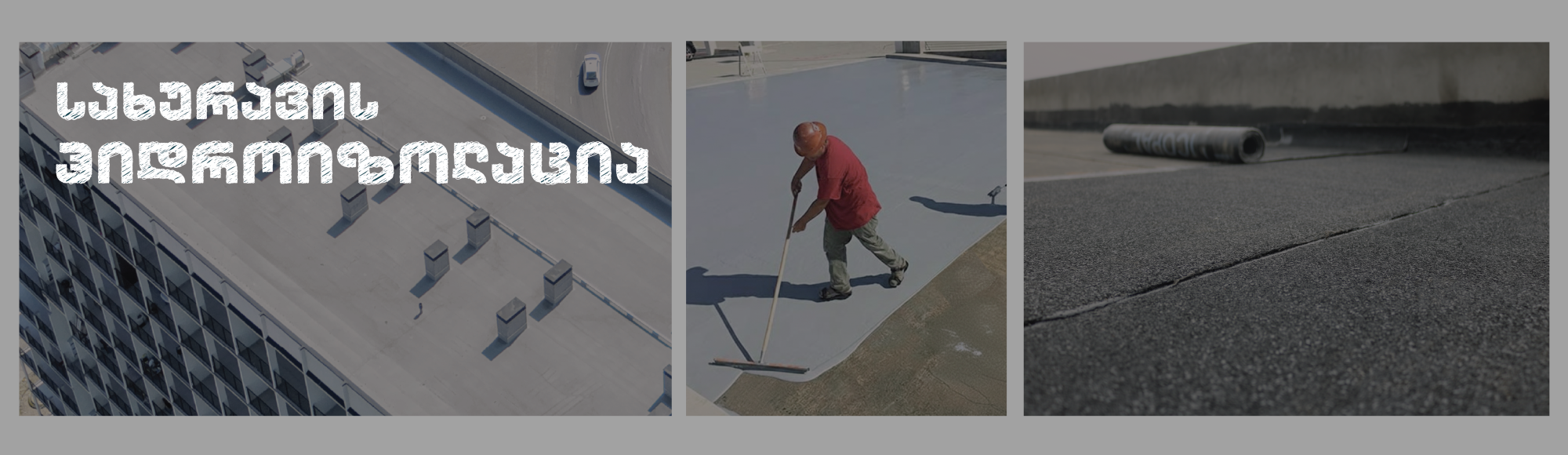
Roof waterproofing
The roof is the part of the building that takes the greatest load from moisture, snow and sun exposure.
Roof waterproofing is the coating that determines how durable and energy-efficient the building will be. In addition, the correct choice of waterproofing system is a decisive step to ensure that the construction withstands time and natural events.
The effectiveness of waterproofing begins with a properly prepared surface. Before starting work, the following must be done:
- Complete cleaning of the surface from water, dust and grease;
- Filling cracks, cavities and pores;
- Checking slopes (minimum 1.5–2%) - incorrect slope will cause water accumulation and damage to the system.
Main types of waterproofing
There are several types of waterproofing materials, but the most common are roll, liquid-applied and membrane systems.
Roll waterproofing is the most traditional and reliable method, mainly used on flat and slightly sloped roofs.
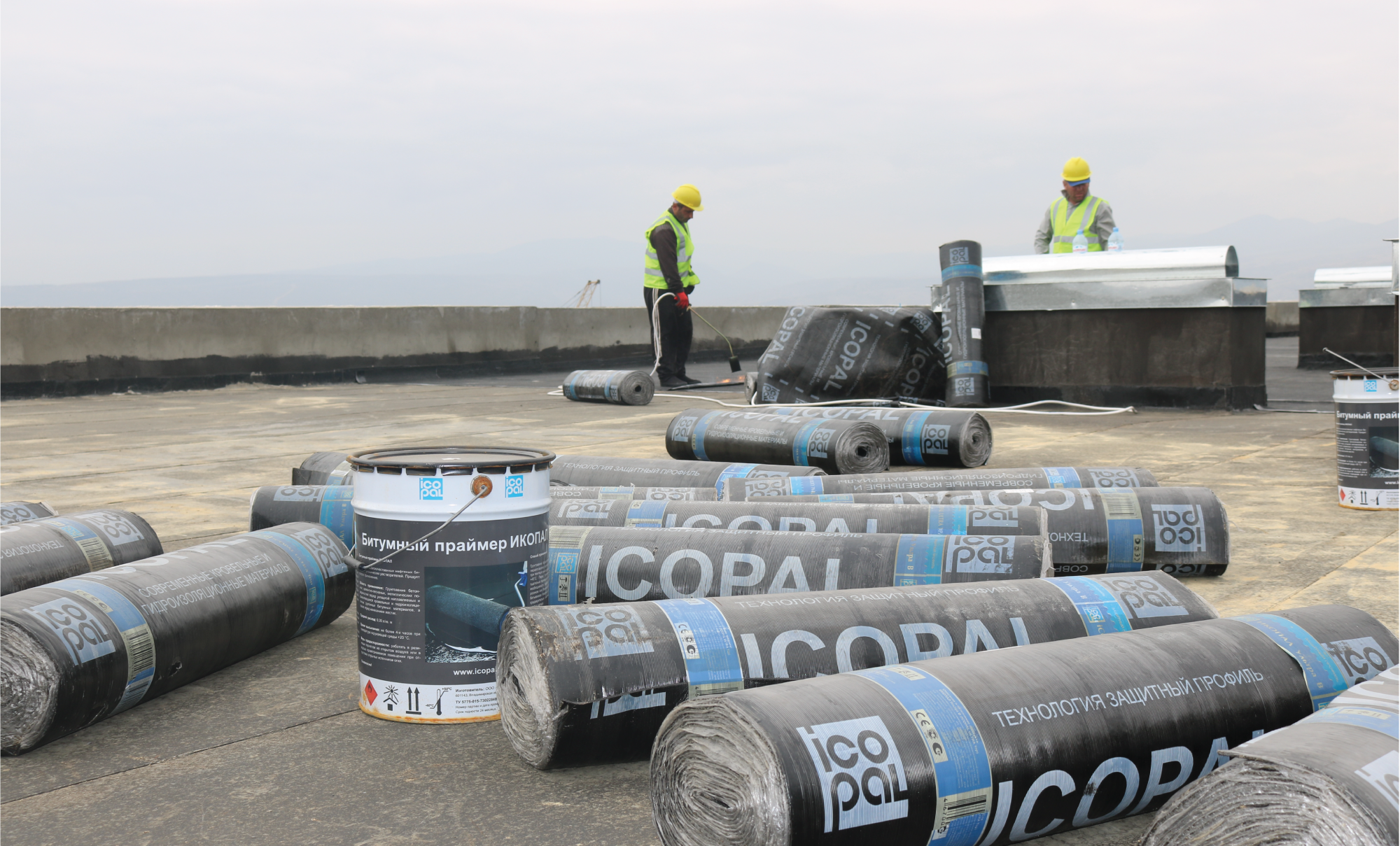
Materials are mainly bitumen or bitumen-polymer based, and depending on the type of reinforcement there are fiberglass, woven fiberglass or polyester, of which polyester is the most durable. During installation of this system, in addition to roll materials, primer and mastic are used.
Before laying the roll, after the concrete surface has completely dried, it must be treated with a special bitumen primer, which improves adhesion and makes the material easy to install.
It is recommended to use roll material in two layers, the second layer must have a sandy coating, which protects the membrane from solar radiation.
Advantages: strong and durable layer (4–5 mm thickness); high water resistance; long-term protection (15–25 years); economical for large areas.
Liquid (applied) waterproofing is a kind of continuous membrane created by applying the material with a paint brush, roller or spray device. The materials of this system are more diverse and include different types: cement-polymer, rubber, acrylic and polyurethane base.
On the roof it is necessary to use waterproofing material resistant to UV rays.
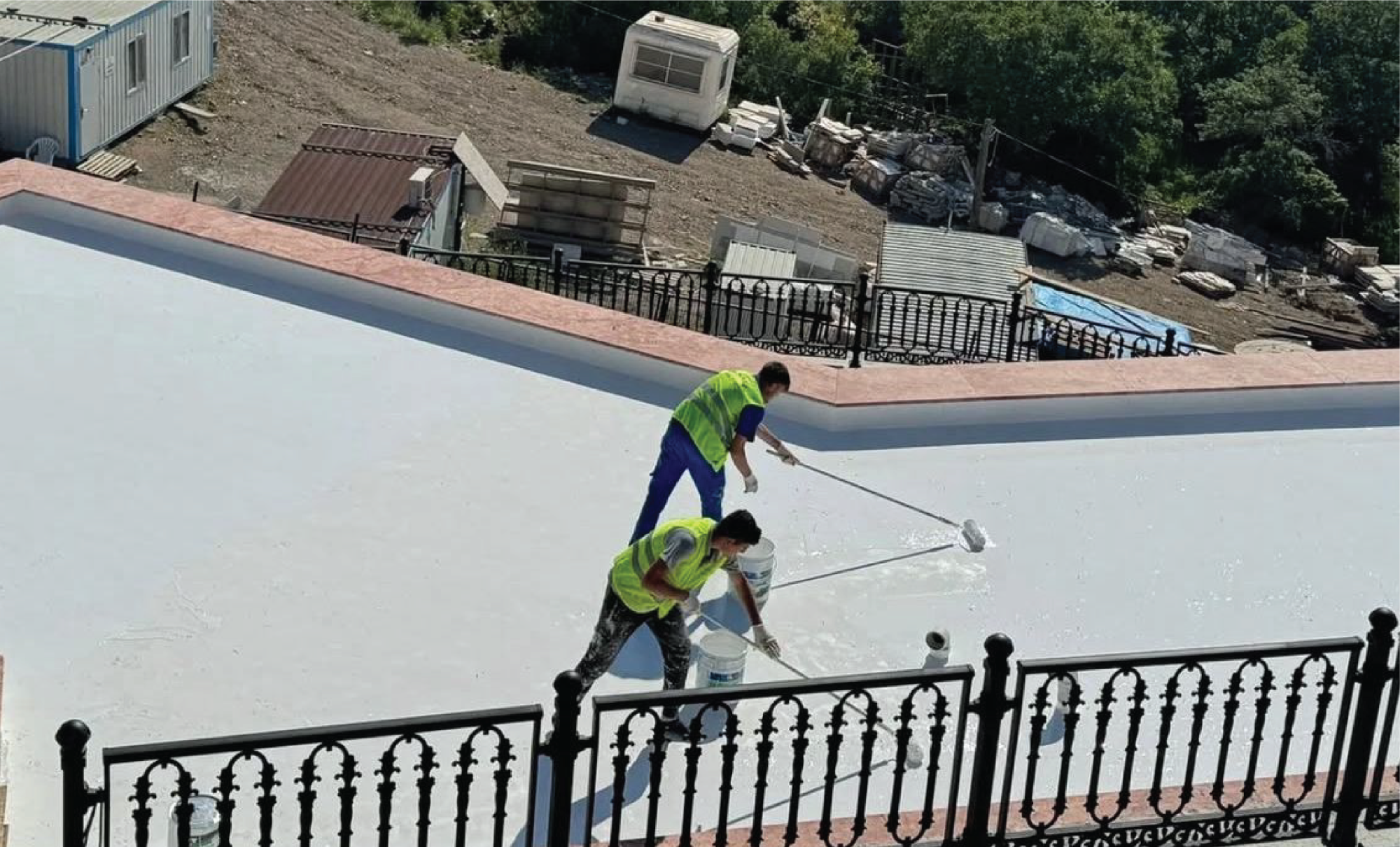
After surface preparation, the material must be applied in at least two layers, also waterproofing tape must be used in the corners between parapet and slab.
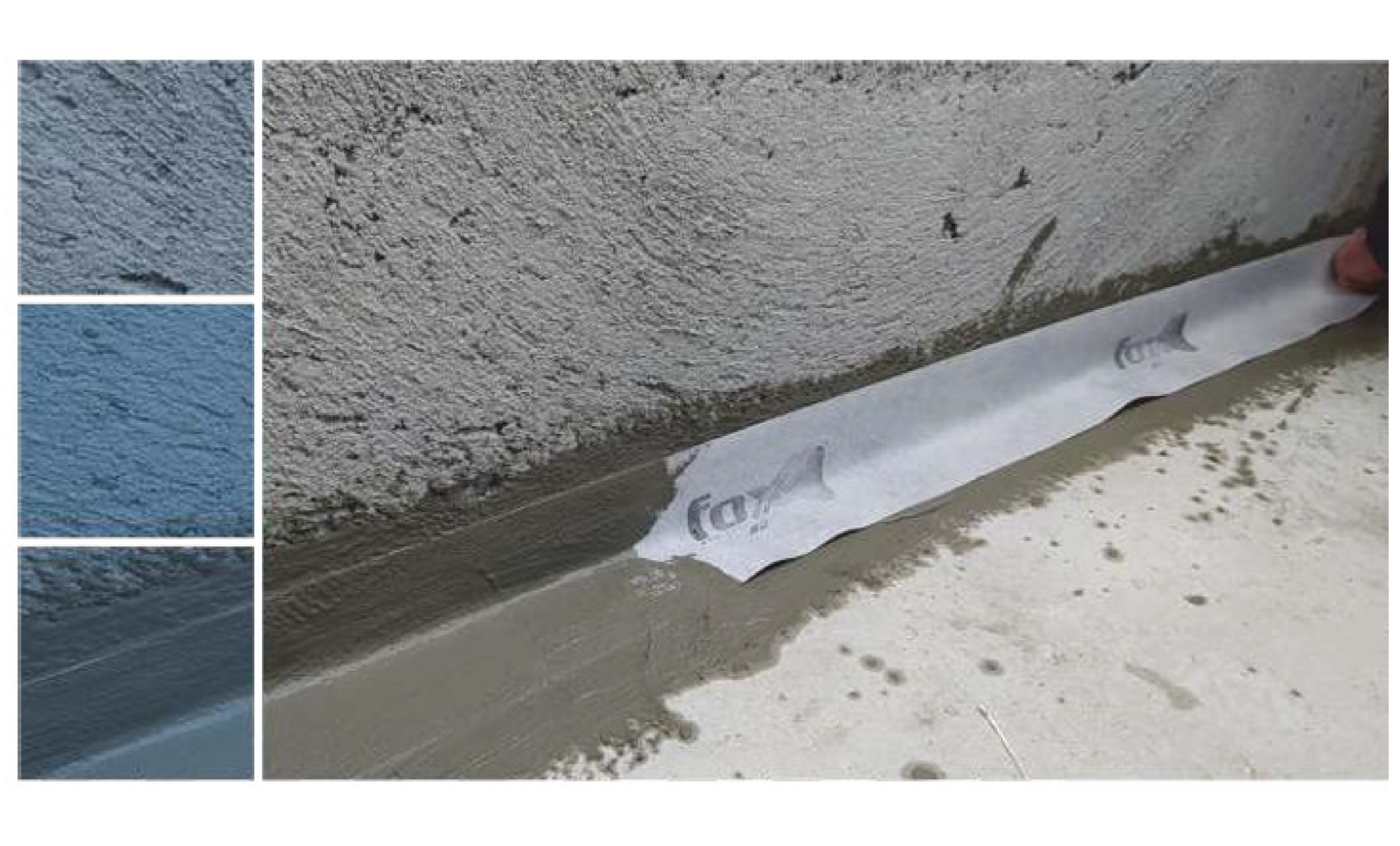
Cement-polymer waterproofing is a cement-based waterproofing material, easy to use and creates a durable, long-lasting protective layer. It has excellent adhesive properties on concrete surfaces, creates a thicker coating compared to other types.
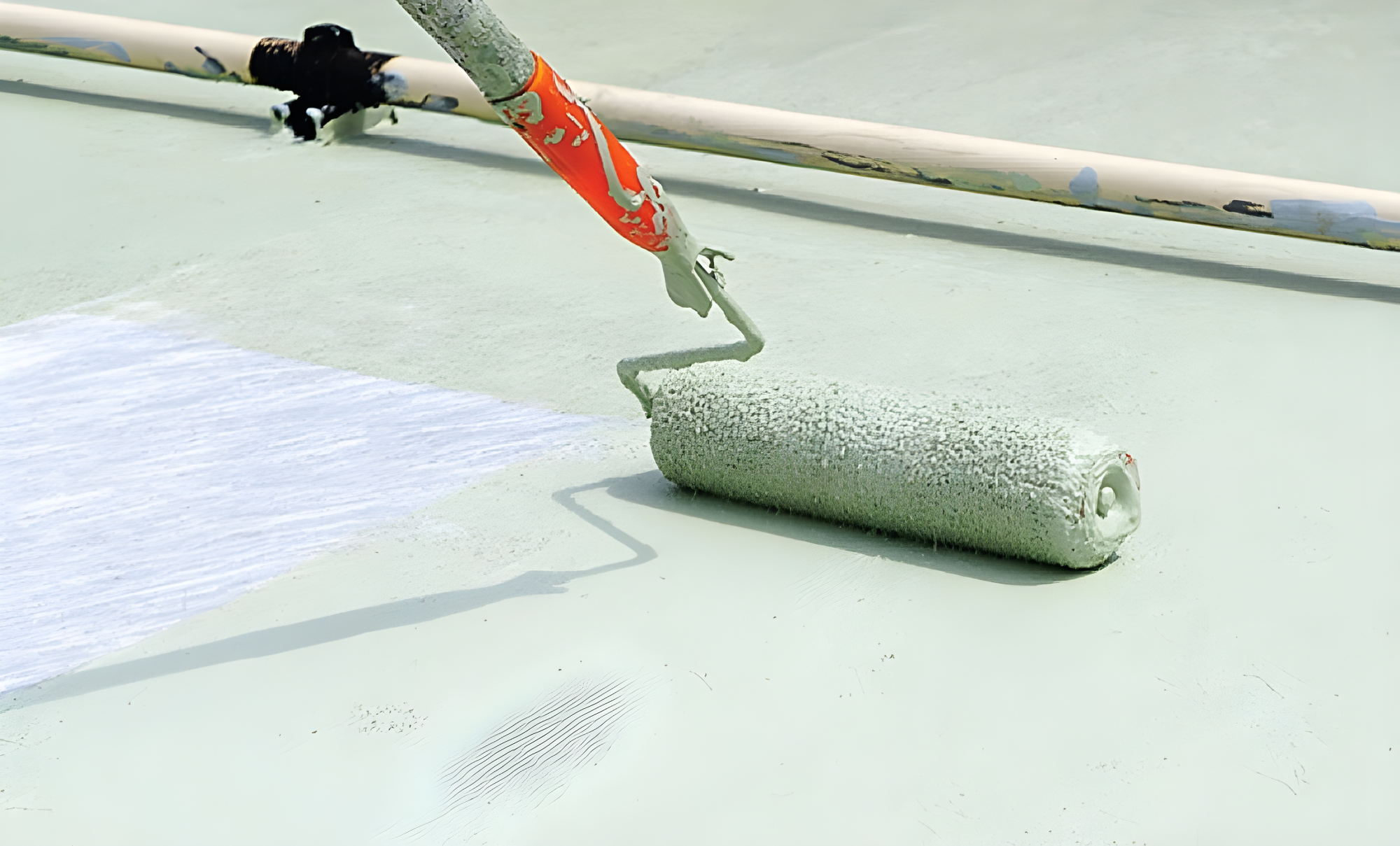
Advantages: environmentally friendly, easy to use, good adhesion, tiles can be laid after cement-polymer waterproofing layer.
Rubber base is a polymerized rubber emulsion that hardens after application and creates an elastic continuous layer. Suitable for complex-shaped surfaces. At Citadel we recommend rubber-polymer waterproofing - FOX AQUAROOF SR 18kg, which is ready-to-use, super elastic material suitable for various surfaces.
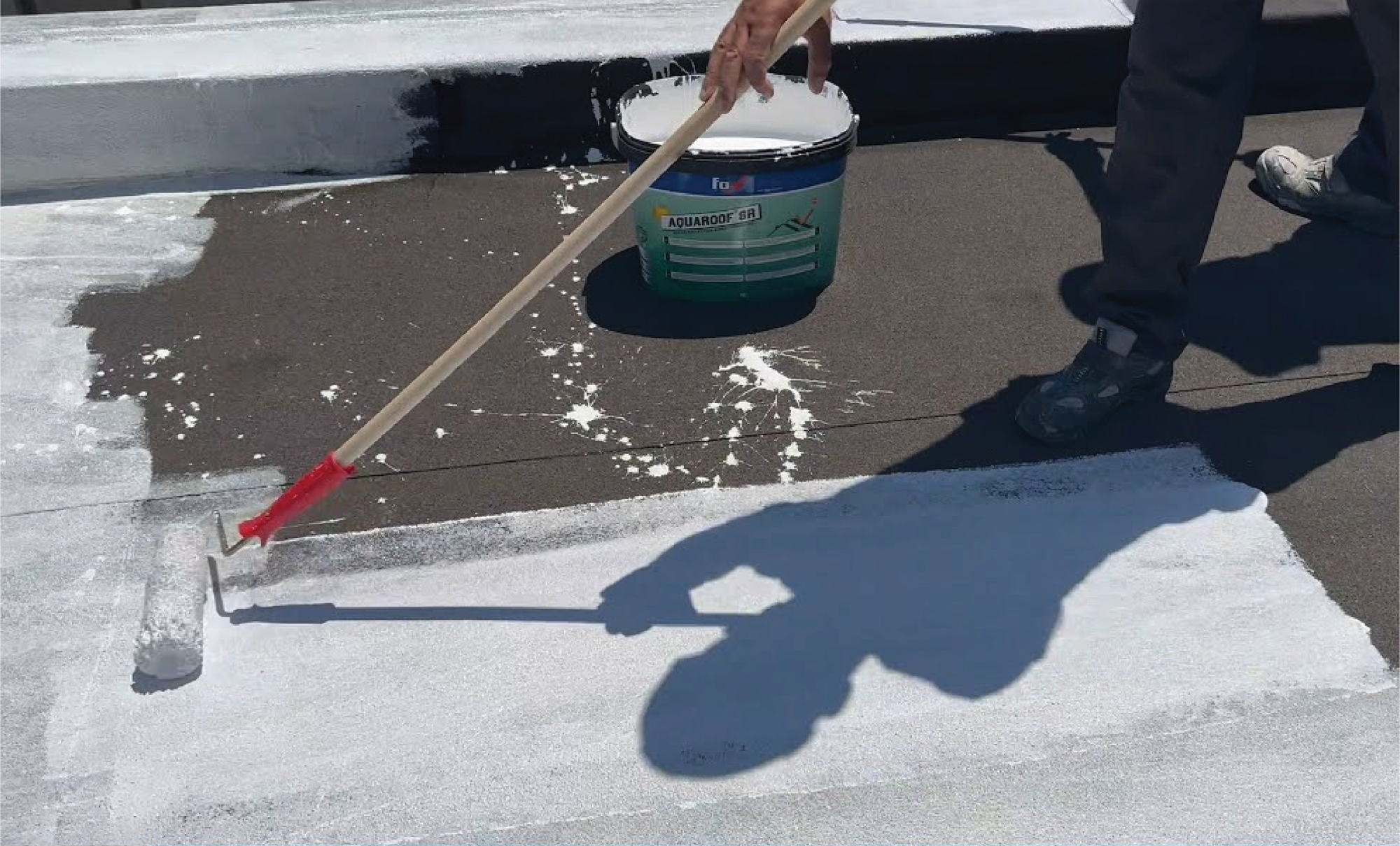
Advantages: easy application; environmentally safe (does not contain solvents); ideal adhesion to concrete, metal, wood; does not crack. Suitable for both indoor and outdoor use.
Applications: roofs and terraces, water tanks and pools, bathrooms and wet areas.
Water-based acrylic elastic resin after drying creates a flexible but strong layer that easily withstands small movements of the surface. Such is the applied waterproofing FOX WATERPROF FS100 4kg.
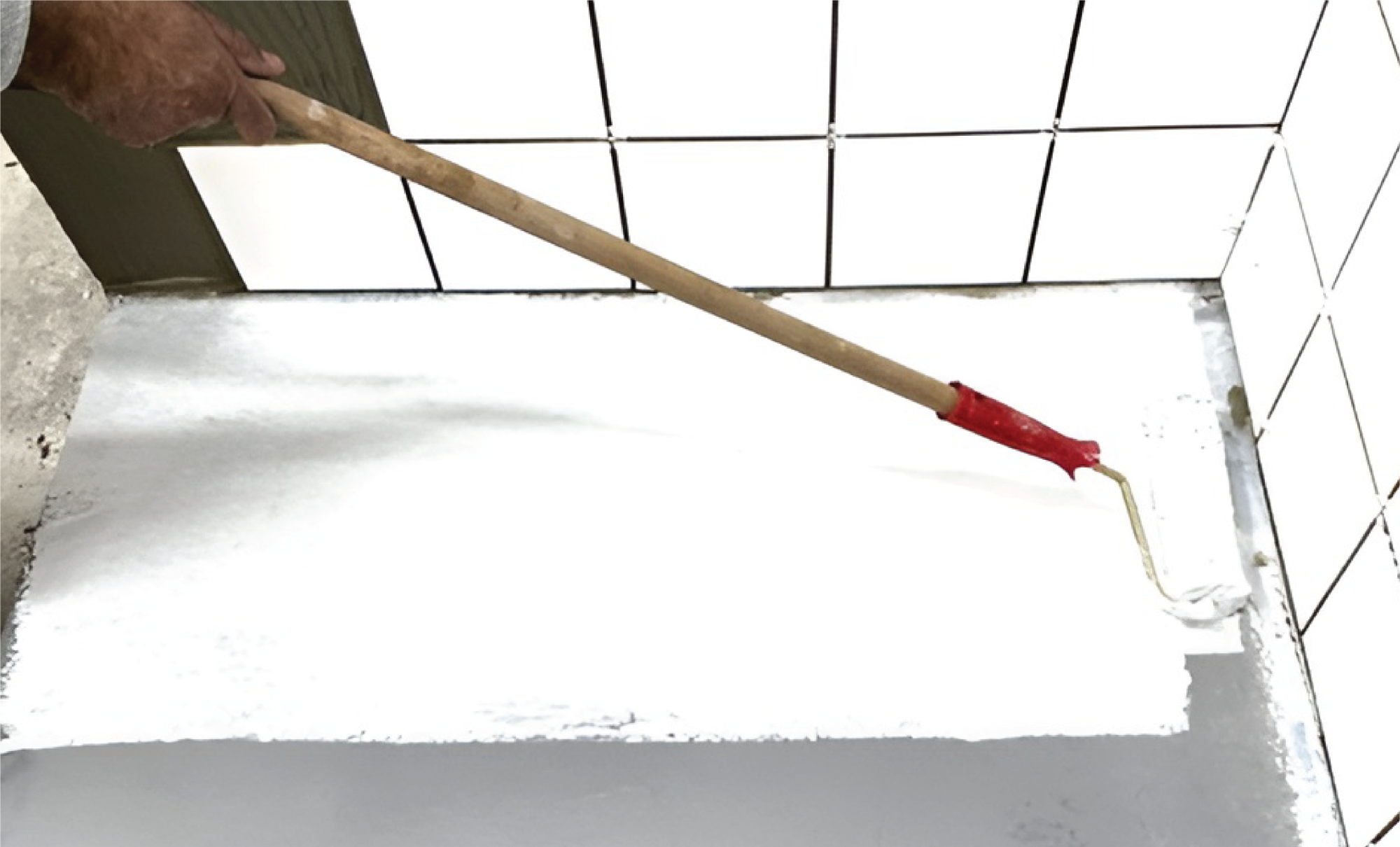
Advantages: environmentally friendly (does not contain solvents), easy to apply (with paint brush or roller), UV-resistant — suitable for open surfaces.
Applications: flat roofs of apartments and buildings, balconies and terraces, facades and decorative zones where water pressure is low.
Polyurethane base - one- or two-component resin that creates an elastic, continuous layer. Waterproofing with polyurethane base FOX PURMAX FS601 WHITE 25 is characterized by these properties, which can be used both indoors and outdoors; on flat or slightly sloped roofs, terraces and balconies; in water tanks and reservoirs.
Advantages: very high elasticity (400–600%); ideal adhesion to concrete, metal, wood; resistant to temperature changes, cracks and UV radiation.
Membrane systems are modern and high-tech solutions. Membranes made of PVC, TPO, EPDM or HDPE are used.
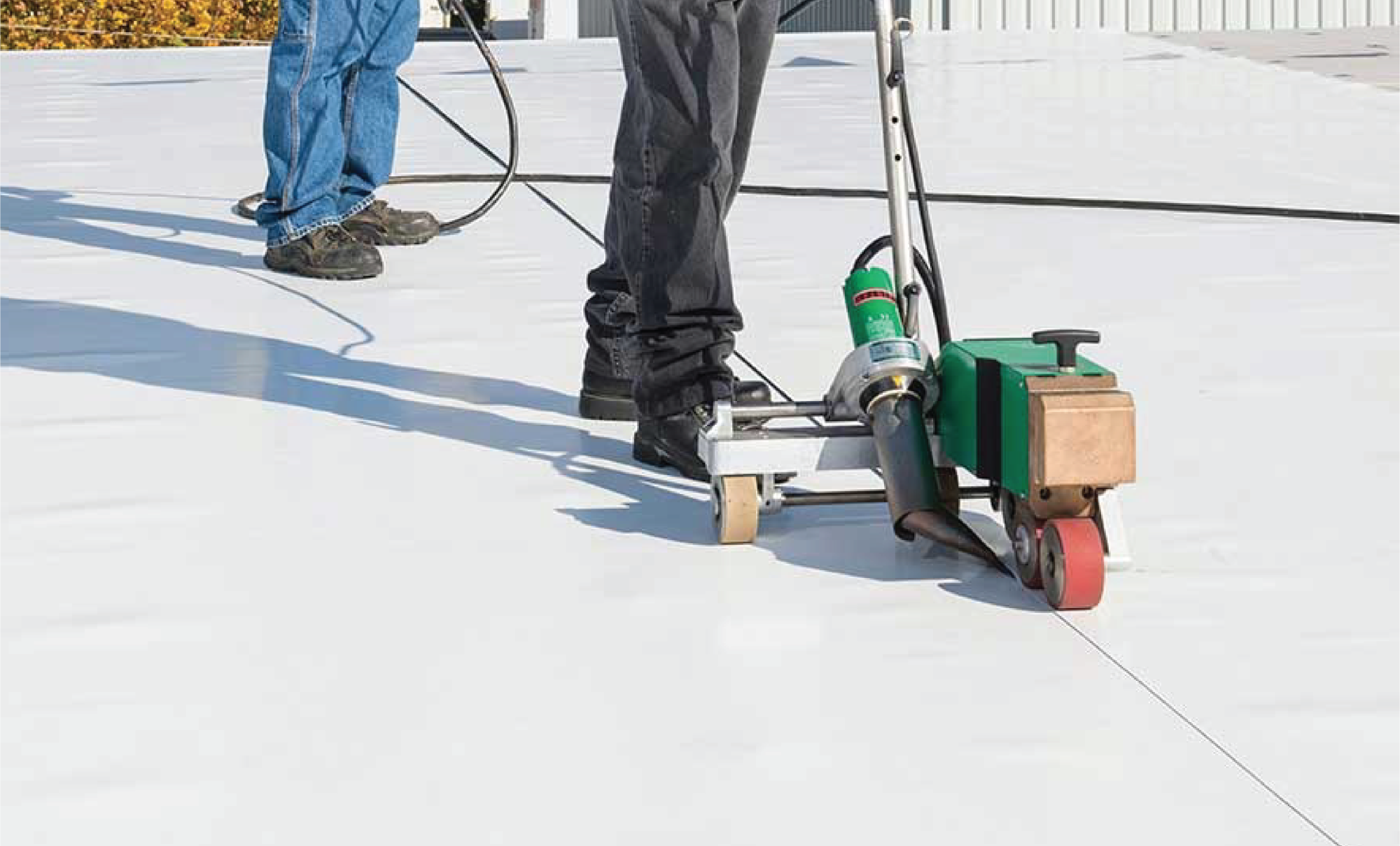
Advantages: long-term durability (30+ years); complete resistance to ultraviolet rays; elastic and flexible; resistant to temperature changes; easy installation on large areas.
The correct choice of waterproofing depends on the type of building, surface, operating conditions and budget.
For economical and durable option — roll waterproofing;
For flexible and fast solution — liquid waterproofing;
For premium and long-term result — membrane system is the best;
Most importantly, installation must be done professionally, because even the ideal material cannot protect the building if waterproofing is not properly planned and executed.
If you have additional questions, contact us for free consultation *7070