
How to Choose the Right Waterproofing Material?
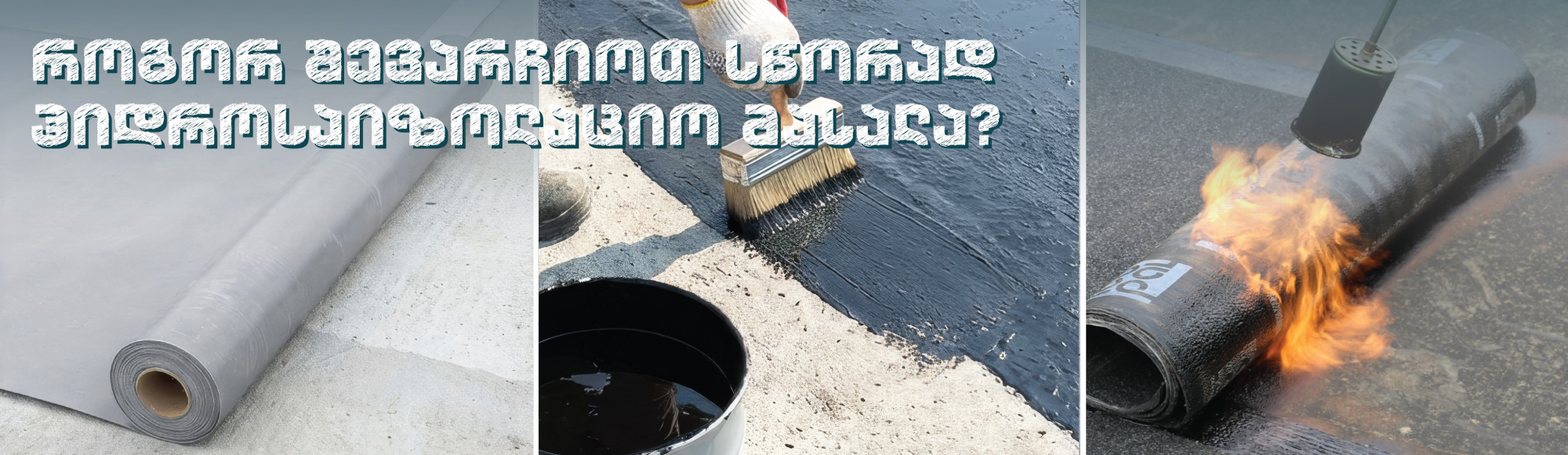
How to Choose the Right Waterproofing Material?
Waterproofing is one of the most important stages in construction. Properly executed waterproofing protects the building from moisture, prevents the formation of fungus and mold, and significantly extends the service life of the structure. Waterproofing planning is essential during the installation of roofs, terraces, balconies, and foundations.
Once the waterproofing area is determined, it is advisable to select the appropriate material by taking into account the following factors:
Surface type – Waterproofing can be applied to concrete, wood, and metal structures. Each surface differs in adhesion properties.
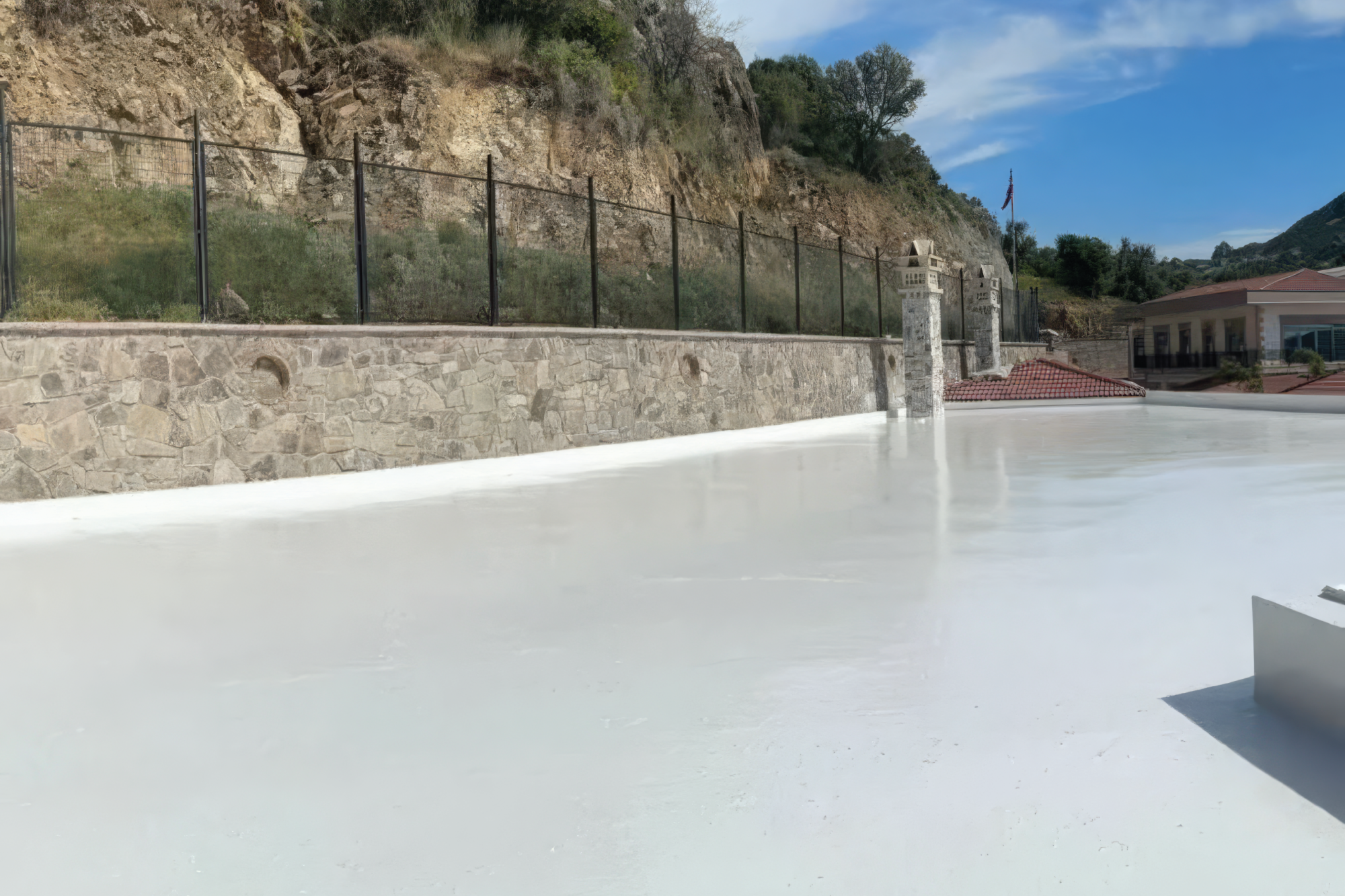
For concrete surfaces, liquid-applied waterproofing is best.Specifically, cementitious polymer materials such as the fully flexible cementitious-polymer waterproofing FOX ULTRASEAL-UV FS485 White SET 30kg. This material has excellent adhesive properties, ensuring strong bonding with concrete.
Operating conditions – Consider temperature variations, mechanical loads, and chemical exposure. For example, terraces require UV-resistant material such as the PVC membrane MAPEPLAN M 15 Broof T1/T3 1.5mm.
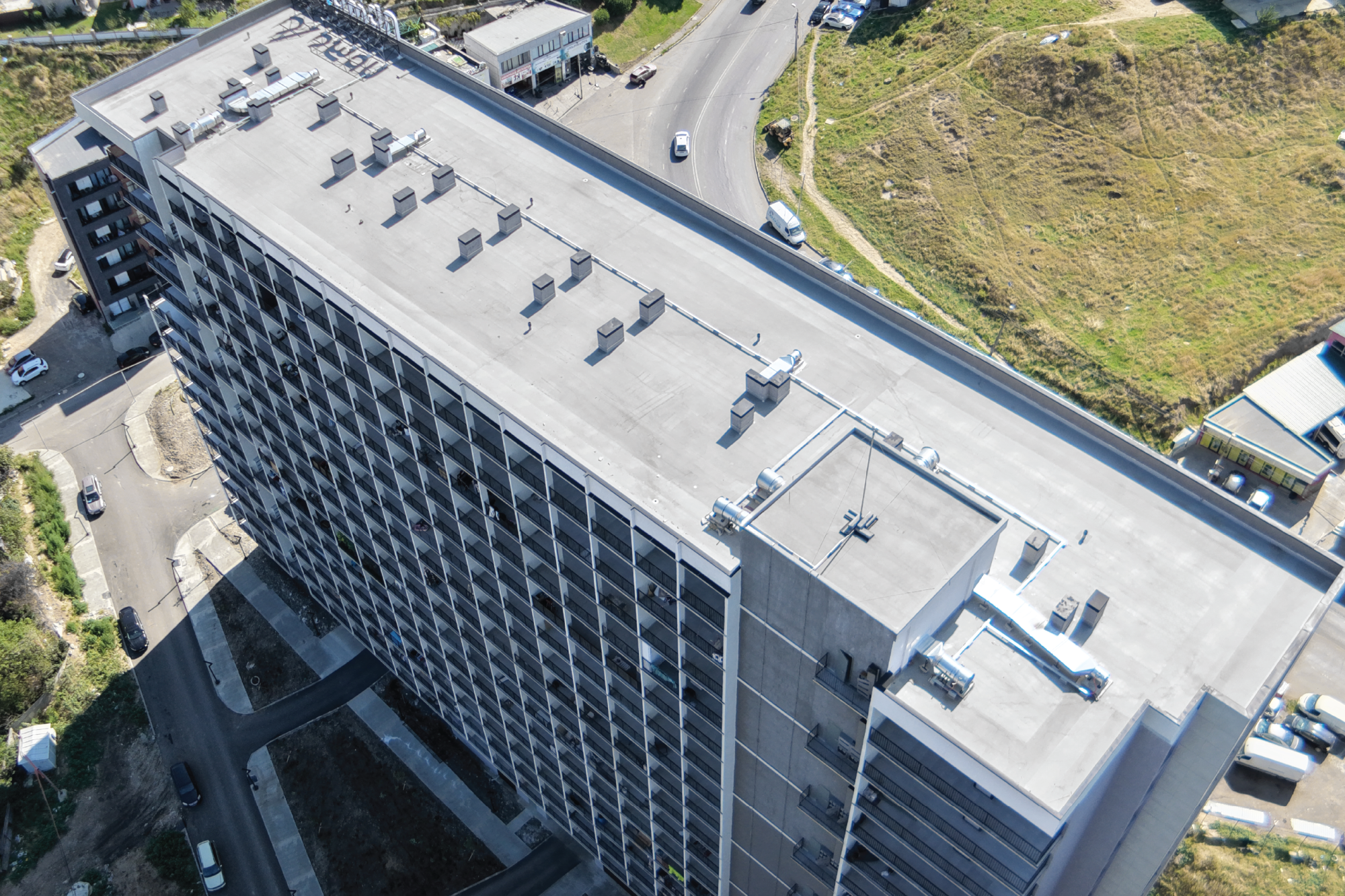
Budget – There is always a balance between price and quality. In the long term, more expensive materials may prove to be more cost-effective.
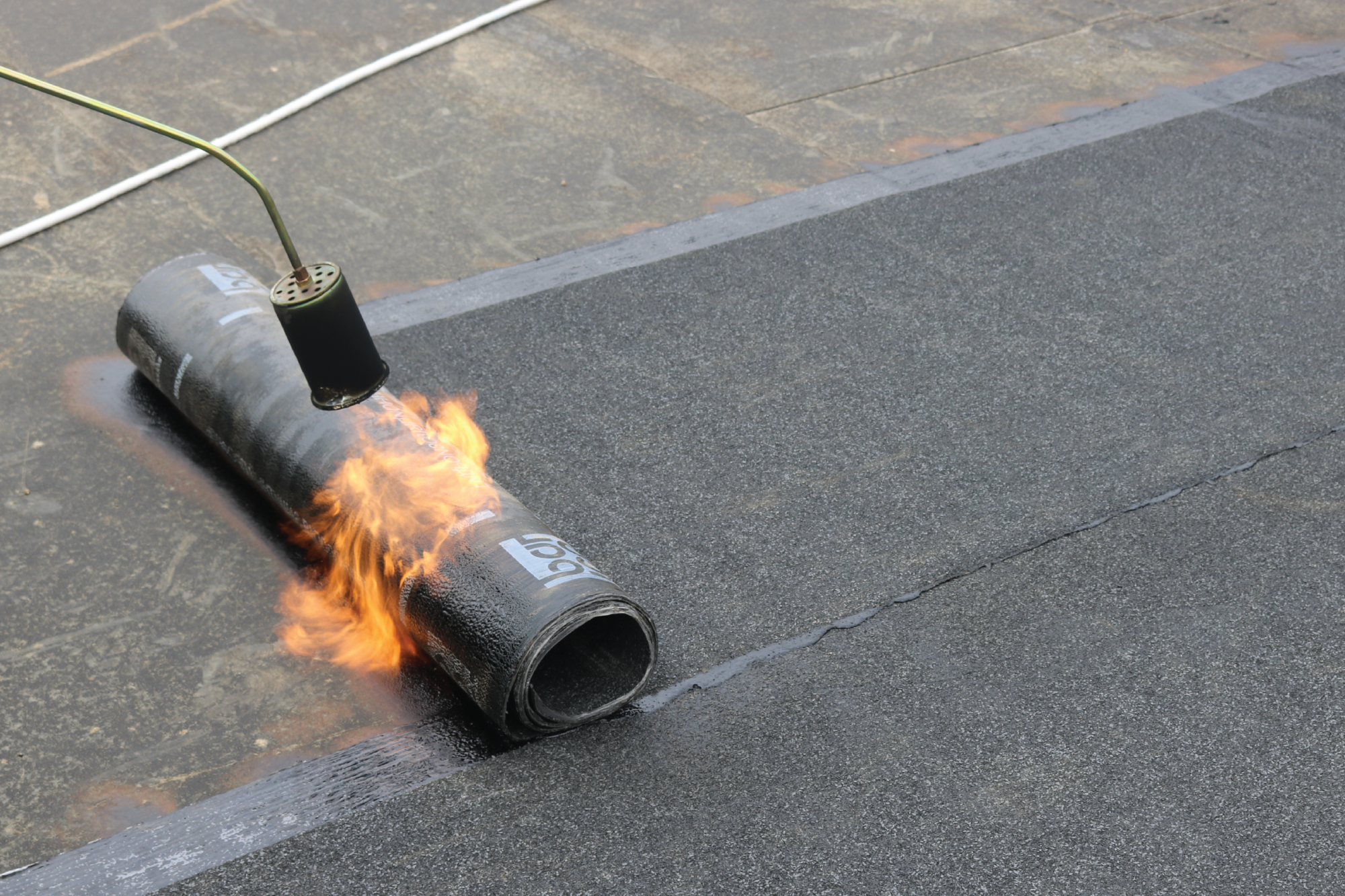
Installation difficulty – If you plan to perform the work yourself, choose easy-to-use materials such as liquid-applied waterproofing. For professional installation, more complex membrane-type waterproofing materials can be used, which require auxiliary equipment.
Basic Rules for Waterproofing Execution
Proper waterproofing is not determined solely by the quality of the material. Strict adherence to work technology is essential:
Surface preparation – The surface must be clean, dry, and level. Dust, oil, old paint, and other contaminants reduce adhesion and compromise the final result.
Use of primer – Primer improves adhesion and reduces absorption of the waterproofing material. This is especially important on porous surfaces.
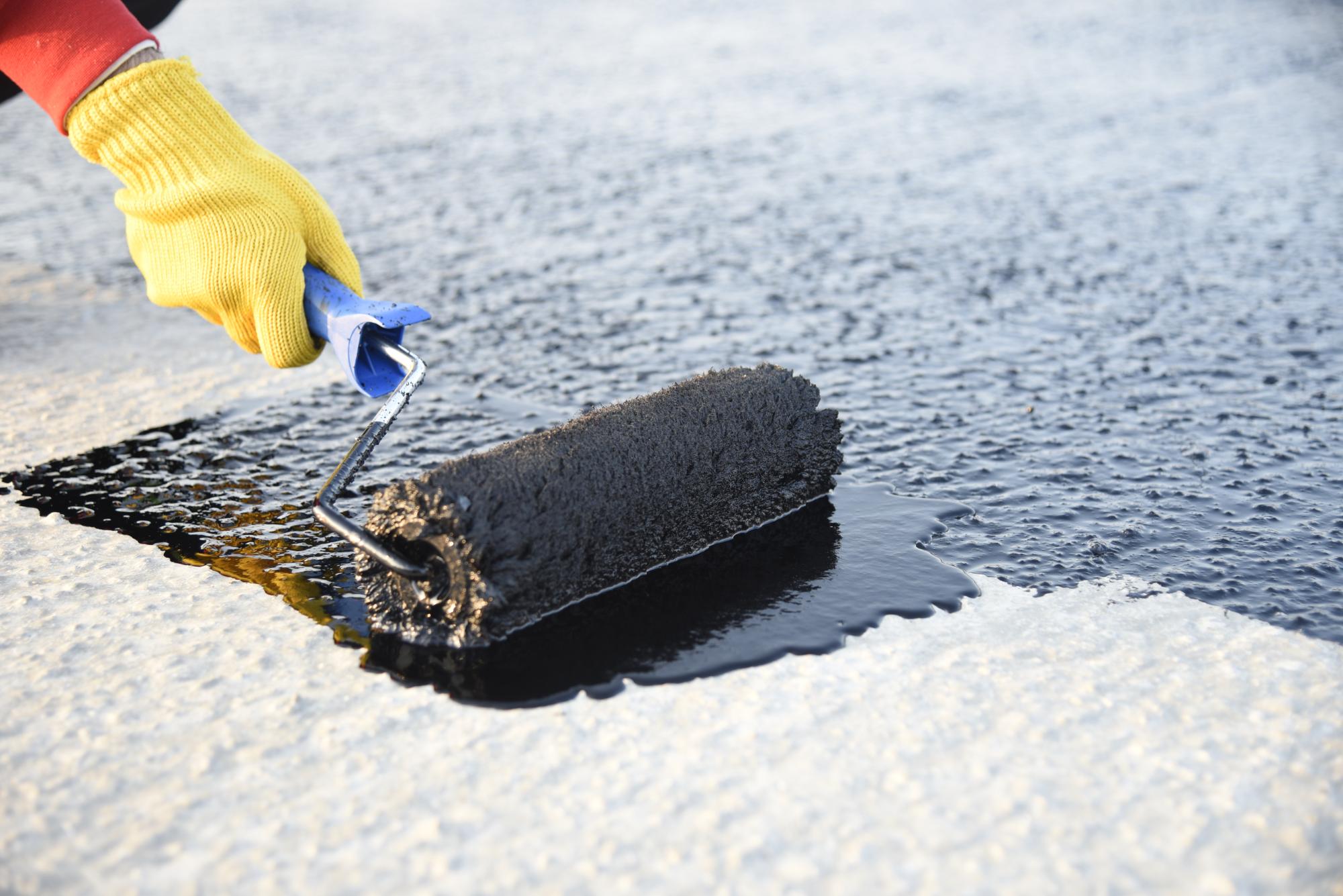
Number of layers – For bitumen-polymer (roll) and liquid-applied waterproofing, a minimum of two layers is required. For membrane systems, one layer is recommended.
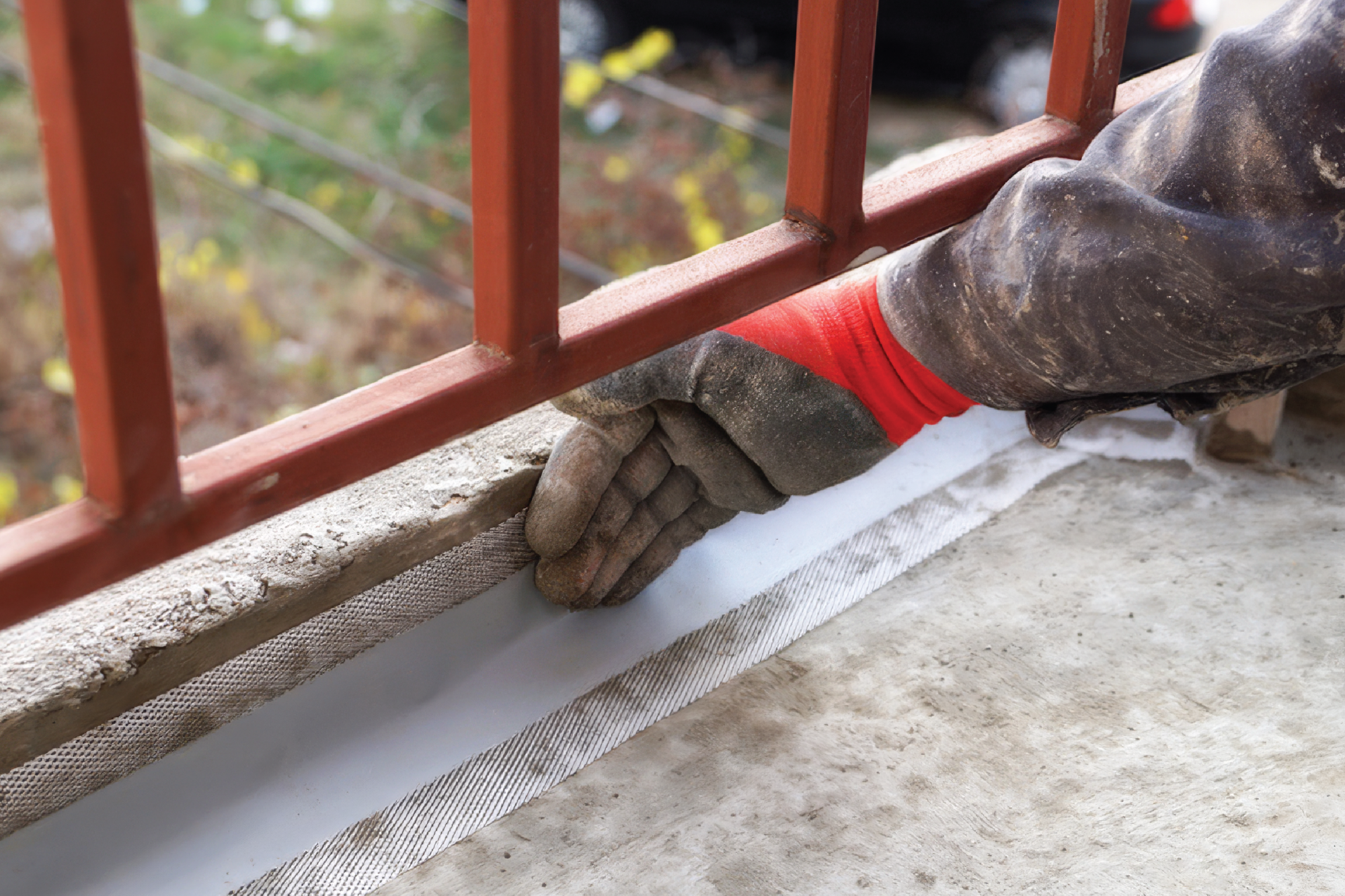
Treatment of joints – Moisture penetration is common at corners and connection points. For additional safety, corner tape and liquid-applied waterproofing can be used, as they maintain elasticity and adapt to different surfaces, including vertical ones without height restrictions.
Testing – After completion of the work, a 24–48 hour water test is recommended to ensure the effectiveness of the waterproofing.
If you have additional questions, contact us for a free consultation at *7070.